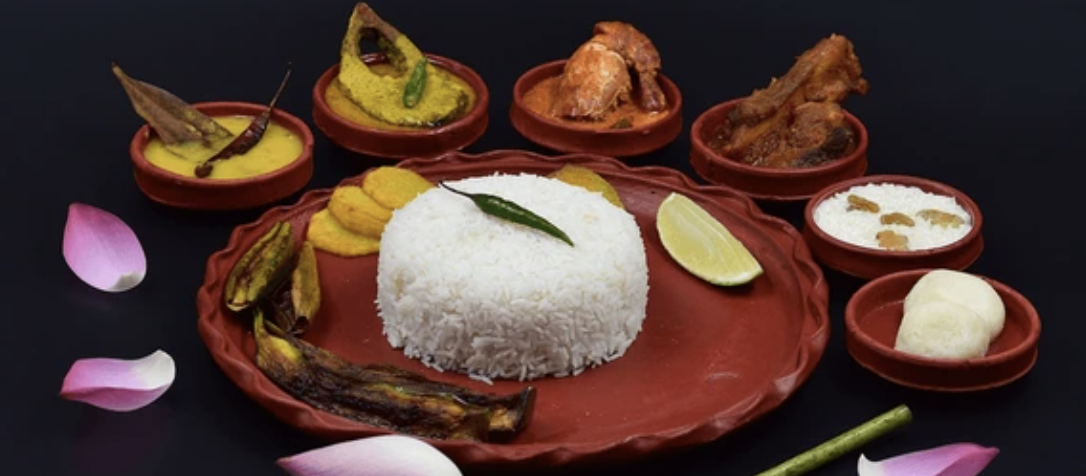
One of the holidays I look forward to most is Durga Puja—a major Hindu festival honoring the goddess Durga and her victory over Mahishasura, a fierce demon symbolizing evil. The celebration marks the triumph of good over evil and is the largest festival for Bengali Hindus, especially in West Bengal and parts of Bangladesh. Within a pandal, Durga Ma is represented through a clay statue. The Puja is performed either at home or in temples with temporary pandals, accompanied by recitations, cultural performances, visiting, and feasting on traditional foods like khichuri and sweets such as rasgulla.
Durga Puja lasts ten days, beginning with Mahalaya, when Hindus offer water and food to their ancestors. It also marks Durga Ma’s arrival from her marital home in Kailash. From the sixth to the ninth day, devotees honor different forms of the goddess through prayers, songs, and rituals such as Bodhana (awakening her), Adhivasa (welcoming her presence), and Sandhi Puja (marking her victory). On the tenth day, Vijaya Dashami, women celebrate Sindoor Khela by smearing vermilion on one another before bidding farewell to the goddess and immersing her idol in water.
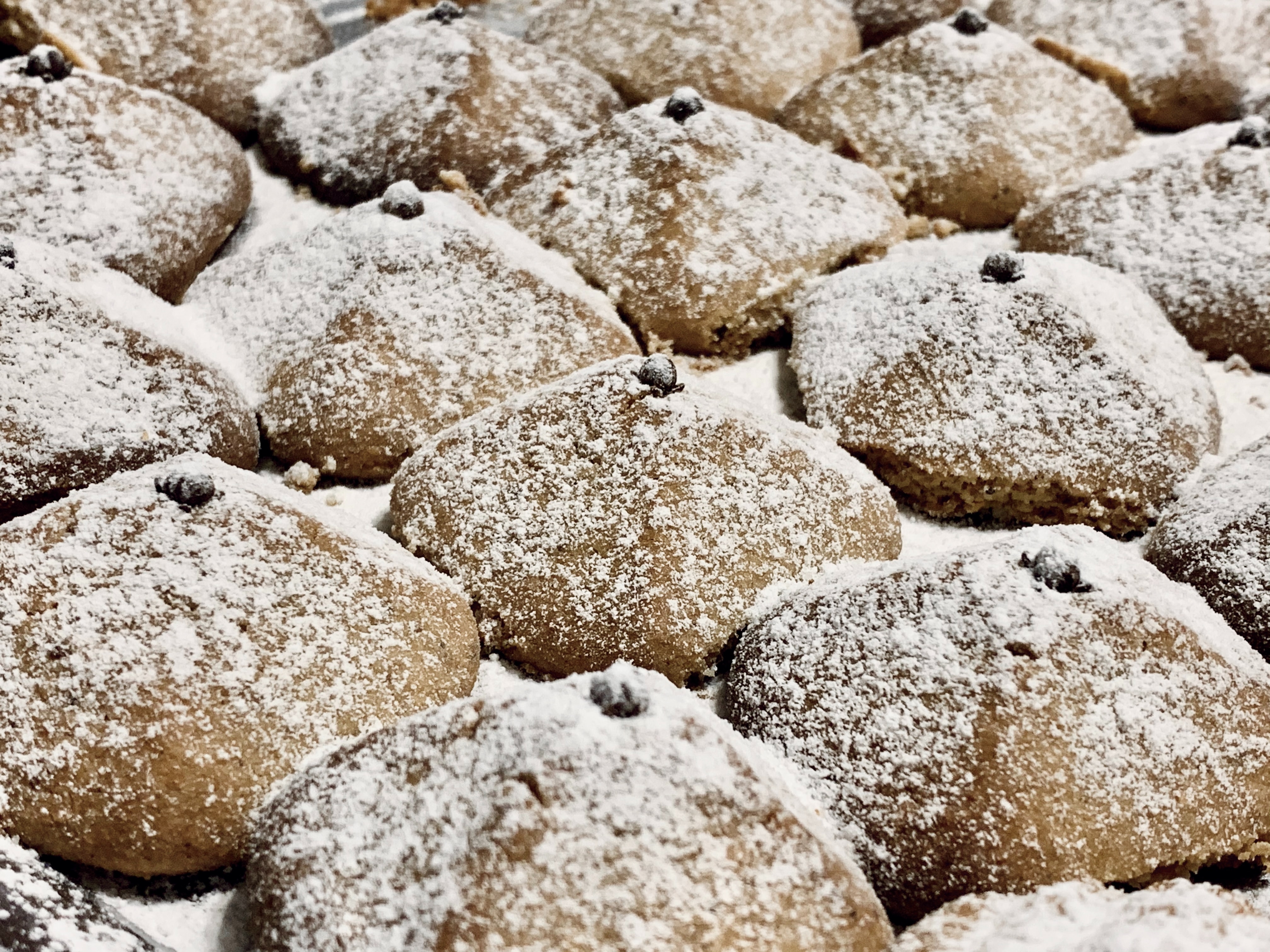
From Mahalaya onward, people eat light vegetarian meals and prepare offerings like fruit, puffed rice (muri), and sweets such as payesh (rice pudding). On Shasti (the sixth day), families enjoy warm khichuri—a golden rice-lentil dish—along with labra (mixed vegetable curry) and beguni (fried eggplant). On Shoptomi (the seventh day), devotees offer bhog, a platter for the goddess that includes khichuri, chutney, payesh, and fruits. On Ashtami (the eighth day), the most sacred, many fast until after pushpanjali (flower offering), then eat bhog of rice, lentils, fried vegetables, and sweets like rasgulla or sandesh. On Navami (the ninth day), the fast ends with an elaborate feast of luchi (fried flatbread), cholar dal (Bengal gram lentils), and aloo dum (spiced potatoes). Finally, on Dashami (the tenth day), after the immersion, families celebrate with sweets such as mishti doi (sweet yogurt), rosogolla, and chomchom, symbolizing joy and victory.
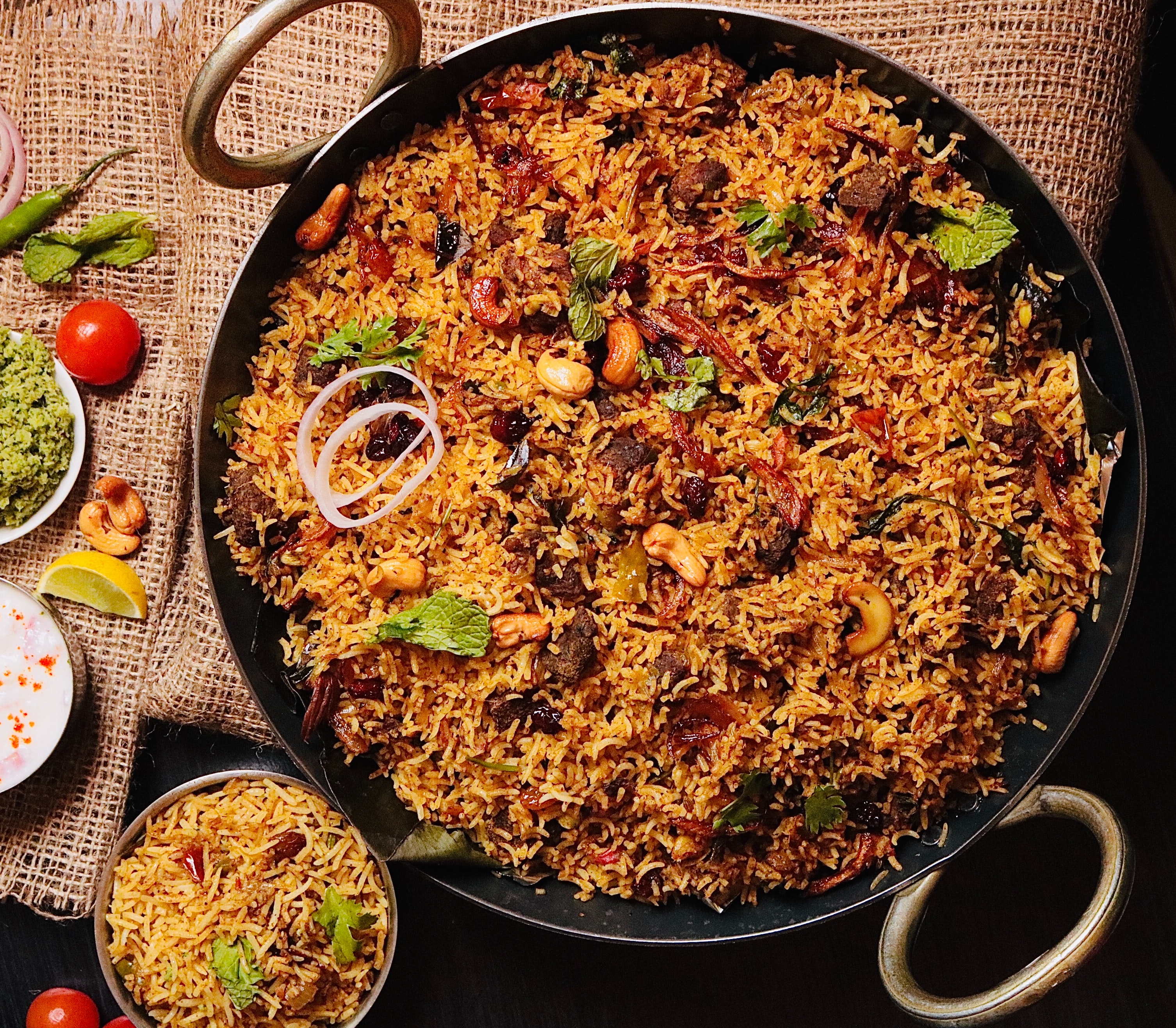
A staple dish every Bengali Hindu eats during Durga Puja is khichuri. Made with rice and lentils, it has a golden hue and soft, comforting texture. I love pairing it with beguni, crisp on the outside and tender inside, and tomato chutney—a sweet, tangy mix of tomatoes, sugar, and raisins. Together, they create a timeless meal that brings families together and captures the warmth of Durga Puja itself.
Durga Puja isn’t just about rituals or food—it’s about connection. Each dish, from comforting khichuri to sweet mishti doi, carries memories of family, laughter, and devotion. Sharing these meals reminds me of my roots and the strength of community that defines Bengali culture. The flavors, traditions, and togetherness of Durga Puja reflect more than celebration—they reflect belonging, faith, and the joy of honoring who I am.